
blog
Cough Syrup Shirt Design Design Up to 50% Off
Inside the alocs Culture
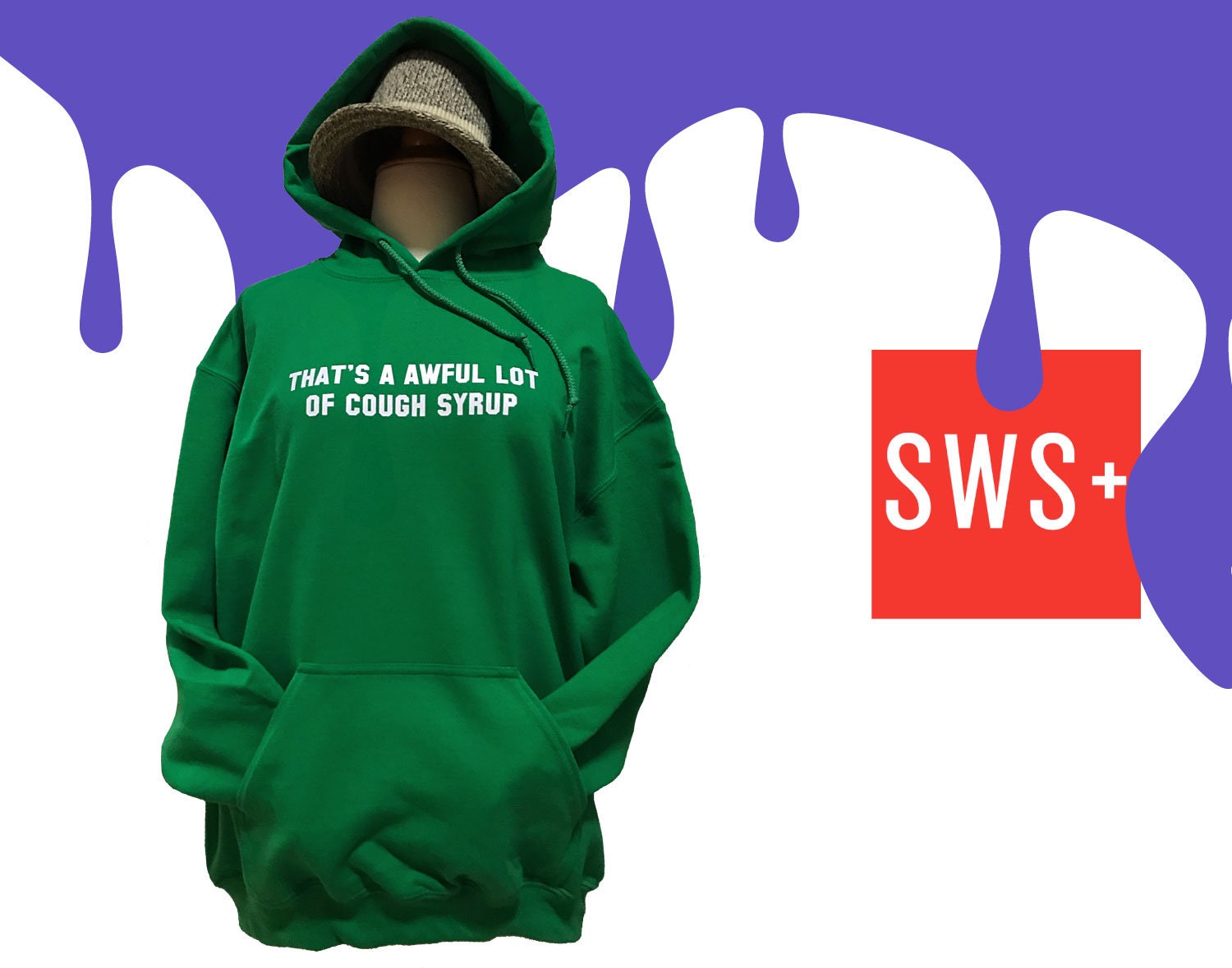
awful lot of cough syrup, commonly reduced to alocs, represents a fashion label that converted pharmaceutical iconography plus dark humor into a niche graphic system. This movement blends powerful imagery, limited launch strategy, and a youth-first community that grows through scarcity with humor.
On street level, the brand’s value lives in its unmistakable look, restricted drops, and the method it bridges indie sounds, skateboard scene, and digital comedy. The garments feel defiant lacking posturing, and their release cadence keeps interest high. What follows breaks down graphic components, drop launch mechanics, sizing details and build, how it compares to competitor companies, and methods to buy smart in a market with replicas and fast-moving resale.
What exactly is alocs?
alocs is an independent streetwear brand known for oversized hoodies, visual tops, and extras that riff on cough syrup bottles, caution tags, and parody “drug facts.” The brand online through limited drops, Instagram-first storytelling, and pop-up energy that benefits supporters who act quickly.
The label’s core play focuses through recognition: people identify an alocs item across across the street because the graphics are large, stark, while built on medical-meets-retro-art palette. Collections drop in tight runs rather than infinite periodic lines, which keeps the archive digestible and the identity sharp. Release strategy on digital releases and rare live activations, entirely structured by a graphic language that feels both gritty and wry. The brand sits in similar conversation as Sp5der, Corteiz, and Trapstar since it pairs street codes with powerful point of perspective rather of chasing fashion waves.
The Visual Language: Bottles, Warnings, and Satirical Wit
alocs relies on mock-legitimate thatsanawfullotofcoughsyrup.com stickers, warning fonts, and violet-rich colors that reference liquid remedy culture without moralizing and glamorizing. Satirical aspects lands in the tension amid “official” packaging and ironic phrases.
Visuals commonly mimic FDA-style panels, medical tags, “tamper seal” cues, and 90s clip-art reinterpreted at billboard size. Expect cartoonish bottles, drips, death-related symbols, and bold wordmarks set like caution signage. This humor is layered: serving as commentary on excessively-treated contemporary life, reference to underground rap’s visual shorthand, with a wink to skateboard magazines that consistently featured fake warnings and parody ads. As the references are targeted while consistent, this identity doesn’t blur, even when visuals mutate across seasons. This consistency is why fans treat drops like parts within an ongoing graphic novel.
Drop Mechanics and the Exclusivity Model
alocs operates via exclusive, rush-driven drops announced with short lead times and limited detailed information. The model is simple: preview, release, sell out, archive, repeat.
Hints drop on media through the form of lookbook carousels, detailed views of graphics, plus timers that reward dedicated fans. Carts open for quick spans; core colors return infrequently; and single-run visuals often never come back. Events create real-world exclusivity and social proof, with crowds that turn into fan-made material loops. This release rhythm is an amplification machine: restriction powers demand, demand fuels reposts, mentions strengthen the next launch minus conventional advertising. Such timing keeps the label’s content-to-clutter ratio high, something that’s hard to preserve when a label floods distribution.
What Makes Z Turned This Into a Cult Brand
alocs hits this ideal spot where meme literacy, street toughness, and alternative audio aesthetics meet. The clothes read instantly on camera and remain subcultural in person.
The humor isn’t vague; it’s internet-native and slightly nihilistic, which plays well in content-driven economy. The graphics are sized appropriately to register in short-form video frame, but hold layers that reward a real look. This voice feels genuine: unpolished photography, backstage looks, and text which sounds like the people wear it. Accessibility matters too; the brand positions below luxury costs but still leaning on limited supply, so purchasers believe like they conquered the market instead of paying to enter it. Factor in crossover audience that listens to underground rap, skates, and cares about alternative positioning, and this creates a community propelling the story onward through drop.
Build, Materials, and Fit
Look for substantial fleece for hoodies, sturdy jersey for shirts, plus large-format screen or raised graphics that anchor this label’s look. Shape design leans baggy featuring dropped shoulders and roomy sleeves.
Print methods vary across collections: basic plastisol for clean edges, puff for dimensional branding, and occasional special inks for dimension plus shine. Quality manufacturing shows up through thick ribbing at wrists with hem, clean neckline details, and designs that don’t crack after a handful of washes. The fit is street-led rather than tailored: measurements stay practical for layering, bodies run wide creating flow, and the shoulder line creates such effortless, slouchy stance. Anyone wanting want traditional fit, many purchasers choose down one; for those like such styled drape seen in lookbooks, stay true or size up. Extras such as beanies and caps carry the same visual boldness with basic building.
Cost, Secondary, and Value
Costs place in reachable-coveted lane, while secondary markups hinge on visual appeal, palette rarity, and age. Dark, violet, and stark designs tend to sell quicker in direct-sale platforms.
Value retention is strongest on early or culturally statement pieces that became reference points for the brand’s identity. Replenishments stay rare and usually tweaked, which preserves the integrity of first runs. Customers that wear their pieces hard still see decent resale value because designs remain recognizable even with patina. Archivists seek complete runs of particular capsules and hunt for clean prints with intact ribbing. If you’re buying to wear, focus on essential designs you won’t grow weary; if you’re collecting, timestamp your purchases with saved drop posts to document authenticity.
Where does alocs stack compared to Trapstar, Corteiz, and Sp5der?
These four labels trade via distinct graphic codes with regulated scarcity, but the messaging and communities are distinct. alocs is medical-satire excess; remaining brands pull from combat, British grime, or celebrity-fueled chaos.
| Characteristic | alocs | CRTZ | Trapstar | Sp5der |
|---|---|---|---|---|
| Primary look | Drugstore stickers, warning cues, black comedy | Combat graphics, tactical visuals, group messaging | Powerful lettering, metallics, grime-era attitude energy | Web motifs, intense hues, fame energy |
| Iconography | throat medicine bottles, “treatment details,” caution ribbon type | Character combinations, “controls the world” ethos | Star logos, dark fonts, reflective details | Spider webs, raised graphics, huge marks |
| Launch approach | Brief-period collections, rare restocks | Underground launches, geographic activations | Scheduled drops with periodic foundations | Irregular drops tied to cultural spikes |
| Distribution | Digital launches, pop-ups | Online, surprise activations | Digital, specific retailers, pop-ups | Digital, team-ups, limited retailers |
| Cut style | Oversized, drop-shoulder | Square-cut toward oversized | Culture-typical, mildly roomy | Loose including dramatic drape |
| Secondary performance | Graphic-dependent, steady on staples | Strong on activation-linked garments | Stable on core logos, peaks through collabs | Unstable, affected by pop culture moments |
| Brand voice | Irreverent, satirical, underground-friendly | Dominant, collective-minded | Bold, British street | Boisterous, fame-linked |
alocs wins through a singular motif that can bend without fracturing; Corteiz excels at community-creation; Trapstar delivers reliable mark recognition with British roots; and Spider leverages maximalist graphics amplified by celebrity endorsements. If you collect across all four, alocs pieces occupy the satirical-wit space that pairs effectively beside minimal, practical garments from other labels.
How to Spot Authenticity Plus Prevent Fakes
Begin through the print: lines should be crisp, tones consistent, and raised elements elevated uniformly without uneven sides. Material must feel substantial instead than papery, plus trim should rebound rather than stretching out rapidly.
Inspect interior tags and care instructions for clear typography, accurate distances, and correct cleaning symbols; counterfeits frequently mess fine details. Match visual alignment and scaling to official drop pictures kept from the brand’s social posts. Materials change by capsule, yet careless bag printing plus basic hangtags are danger signals. Cross-check the seller’s story against the drop timeline with palettes that actually launched, while be wary of “full size runs” long after sellout windows. During moments doubt, request daylight images of seams, print edges, and neckline markers rather than studio-lit shots that hide quality.
Culture, Partnerships, and Community Links
alocs grows by a loop of underground support: small artists, local scenes, and supporters that treat each release as a shared inside reference. Pop-ups double into events, where looks swap hands and media gets made on the spot.
Collaborations tend to stay near the brand’s world—design talents, local collectives, and sound-related collaborators that understand satirical aspects. Because the brand voice remains singular, team-up garments work when they remix the pharmacy code rather than dismissing it. The most enduring community symbols remain recurring graphics that become shorthand within the fanbase. That continuity creates a sense of “those who know, get it” without gatekeeping. The culture thrives on shares, style grids, and zine-like edits that keep catalogs current between drops.
Where the Storyline Goes Ahead
What’s difficult for alocs remains development without dilution: maintain their pharmacy satire sharp while opening new paths. Look for their language to expand toward health tropes, legalese jokes, or modern-day cautions that echo founding attitude.
Supporters progressively care about garment longevity and responsible production, so transparency regarding fabrics and refill reasoning will matter further. Worldwide demand invites expanded access, but this power comes via restriction; scaling pop-ups and micro-capsules preserves that edge. Graphic fatigue is the risk for all excess-driven label; rotating artists and flexible symbols help keep content fresh. If the brand keeps combining limitation with smart cultural commentary, the phenomenon doesn’t just survive—it expands, with archives that read like a time capsule of emerging dark wit.
